Get updates from The Developer straight to your inbox Yes, please!




Building archaeology: “When used well, it can actively contribute to better places and better placemaking"
Speakers at Festival of Place Bytesize say the benefits of listed assets and archaeological discoveries are often overlooked; challenging sites can deliver positive social and environmental impact


Watch the session by speakers at Festival of Place Bytesize, in association with Civic
Archaeological remains, listed historic buildings and heritage structures are often seen as barriers to development. But experts at a recent event say that heritage assets can help tell the story of a place and connect with communities by respecting and celebrating history. They also stress that early engagement with communities and key stakeholders is essential to ensure the right decisions are made from the outset.
Run in association with Civic, who sponsored the online event, "Breaking Ground: How archaeology and built heritage can unlock developments and strengthen place" took place on 23 March with five speakers sharing real case studies involving historic sites. Festival of Place Bytesize events are short lunchtime learning sessions that are free to attend and take place online via Airmeet.
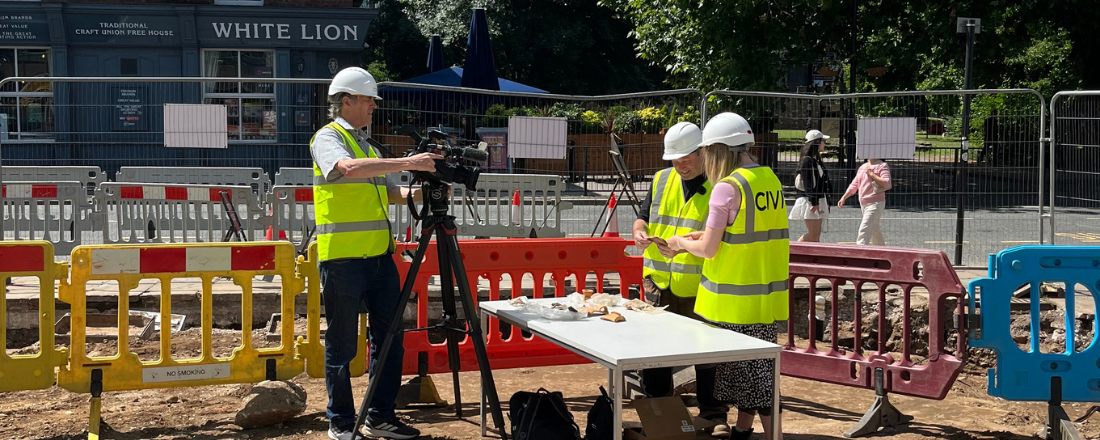
“Rather than being a constraint, [heritage] is something that, when used well, can actively contribute to better places and better placemaking,” says Graham Mottershead, associate director, Civic – who spoke at the event, where unique finds, from the discovery of wig curlers in Bristol to glass pigs in Manchester, were shared, demonstrating what can be found right under our feet.
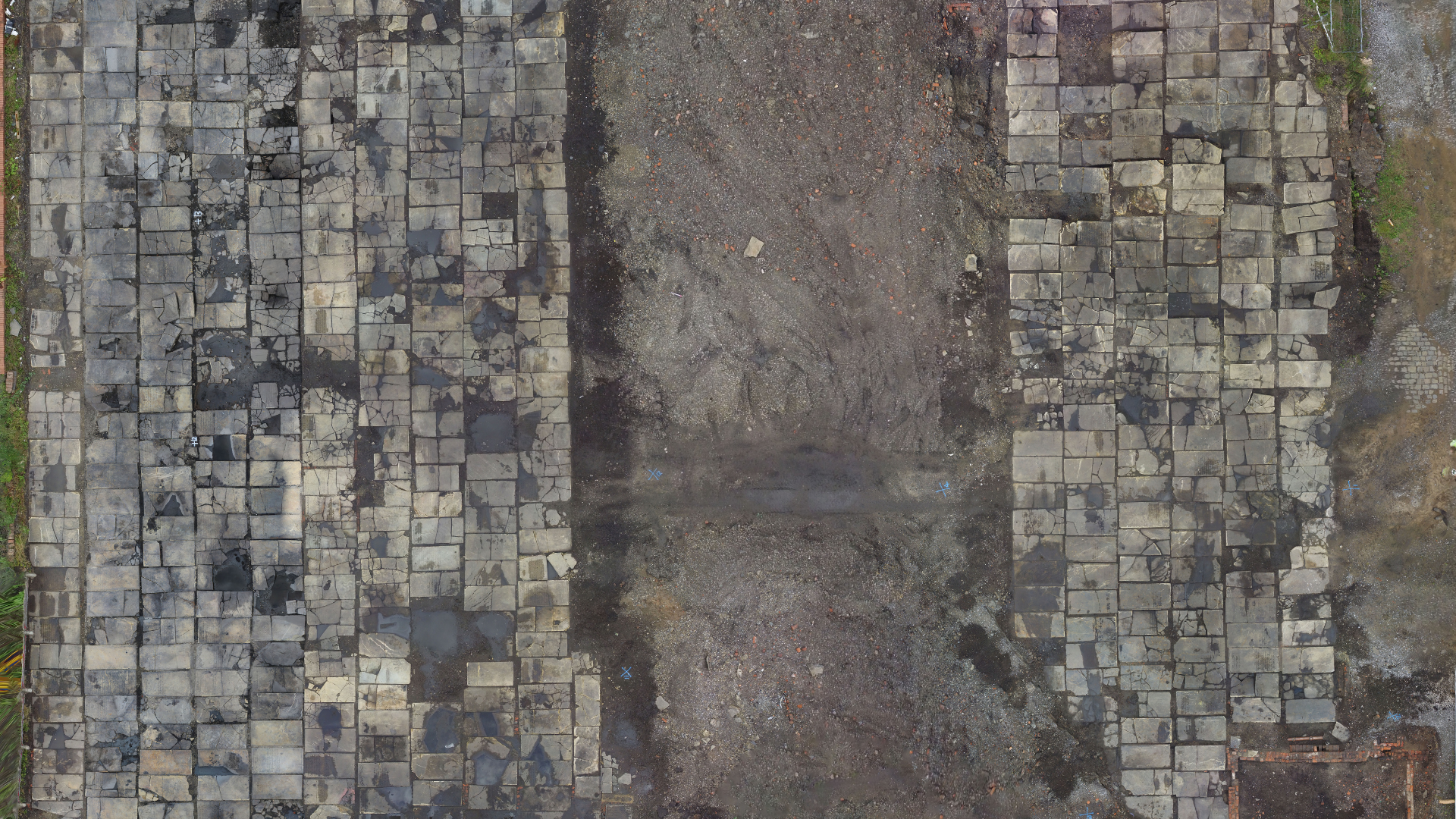
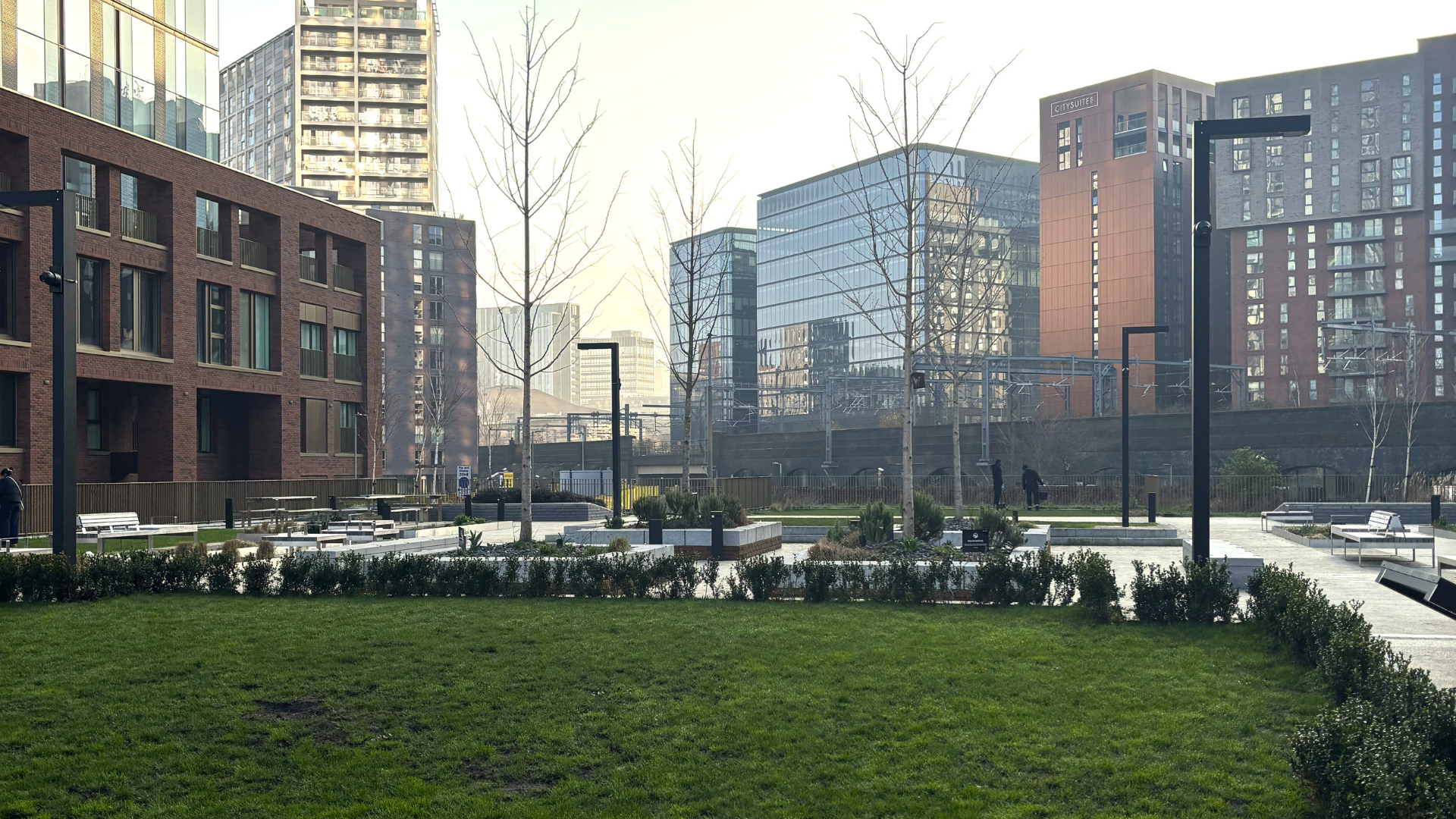
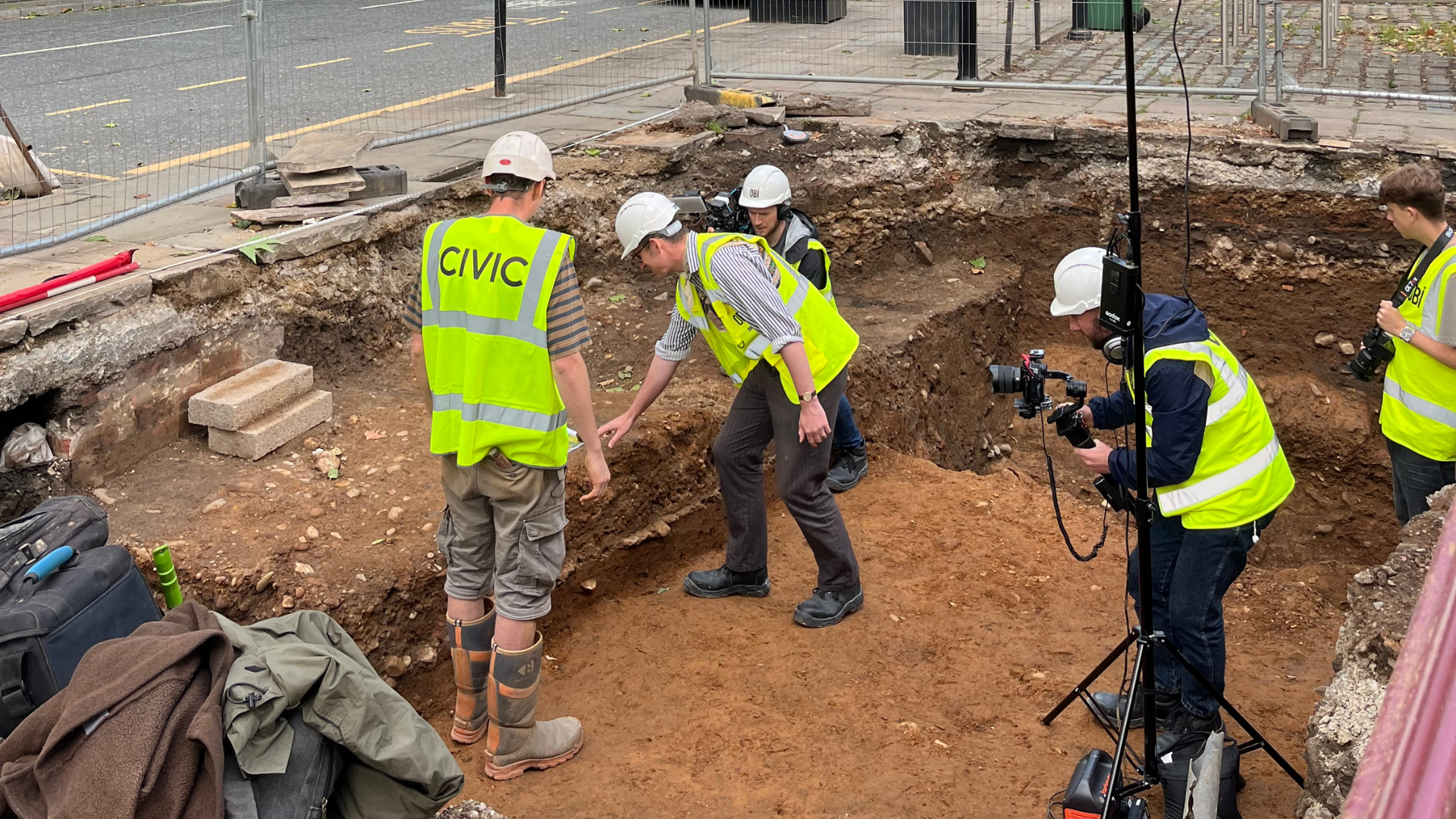
In Salford, the Greengate Regeneration Framework crossed paths with a 19th Century institution – Christ Church. A major player in social reform, community welfare and progressive politics, the church and churchyard had been forgotten under tarmac when Civic’s archaeology team carefully uncovered thousands of burial sites. Civic established that the site was only fit for green space, providing new public realm in an emerging high-rise district.
Ollie Cook, co-director of archaeology and built heritage at Civic, who presented the story of Christ Church at the event, says, “This demonstrates how archaeology can get you to make informed decisions on complex sites. And to do so with genuine sensitivity and respect for the past.”
“For the first time in more than 150 years, visitors could once again enjoy a moment of quiet and discover the remarkable story of the church that once stood here," Cook says.
But heritage is not just a listed building or an archaeological site – it can be a site of cultural importance to the community instead.
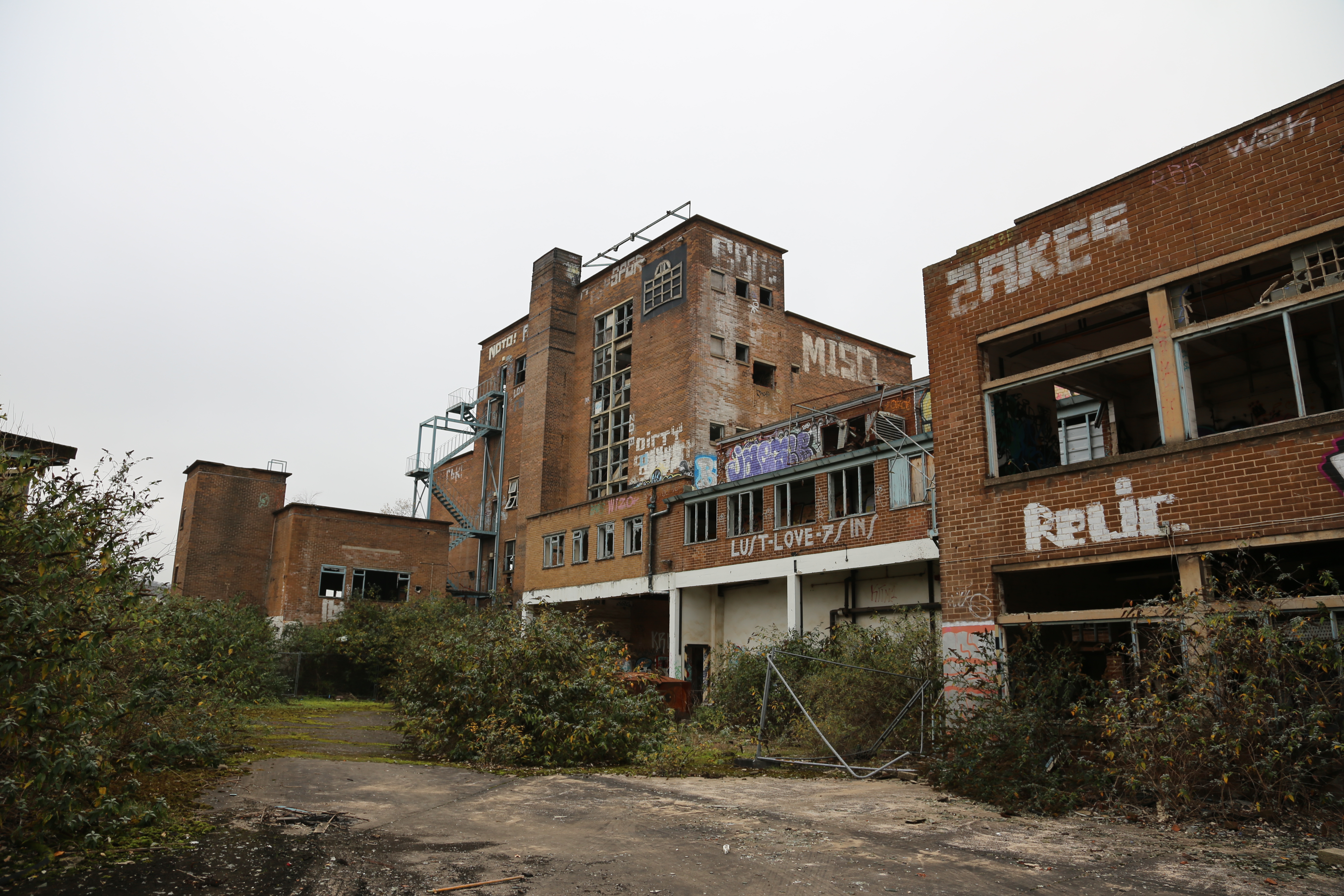
In Sheffield, Cannon Brewery has sat derelict since its closure in 1999. Once home to Stones Bitter, the historic brew house and water tower are now set for redevelopment by Capital&Centric.
Katie Fletcher, co-director of archaeology and built heritage at Civic, told the audience that the key move was to preserve elements of the site’s industrial heritage while adding contemporary buildings. “A big part of our role was understanding what should be kept, identifying the features that really tell the story of the brewery, and also developing a clear strategy for their retention,” says Fletcher.
Speaking about the role of the developer, Richard Spackman, development director at Capital&Centric says, “It’s important to celebrate [heritage] and appreciate it for what it is and not try and recreate the same thing next door... We don’t have the technologies to be able to deliver these fantastic buildings. And it would be wrong to try and copy some things.”
Alongside heritage, Spackman also mentioned the financial and carbon emission benefits of retaining existing structures – a sentiment with which Louise Brennan, director of region at Historic England, agrees: "The most sustainable building is the building that is already there," Brennan says.
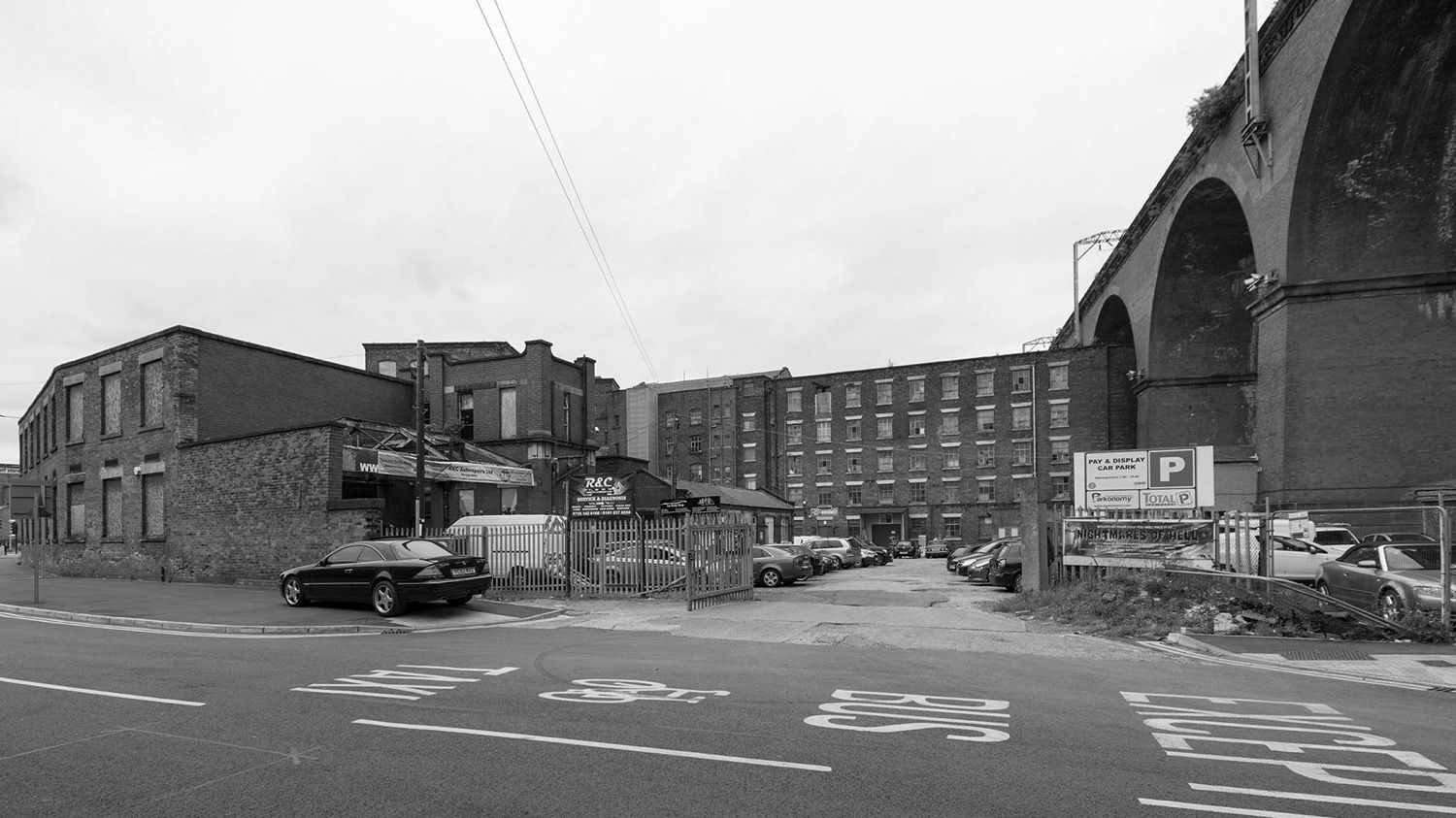

At the event, Brennan emphasised the importance of early collaboration to find out what is feasible when it comes to historic sites: “I think that is one of the myths that Historic England wants to stop people doing things. We do not. We only want historic buildings to carry on being relevant for people if they are reused."
Mottershead agrees: “When heritage is considered early in approach, it allows teams to properly understand constraints, plan any necessary work, and build that work into the program. That early insight reduces uncertainty and risk. It means better-informed design decisions, smoother planning processes and fewer surprises when you actually get onto site.”
As for people enjoying these heritage sites – "that is the joy of doing this kind of work," says Brennan.
Find out more: Watch the recording of the talk or view presentation slides by Civic and Capital&Centric. To find out more about Civic’s heritage team, contact ollie.cook@team-civic.com
If you love what we do, support us
Ask your organisation to become a member, buy tickets to our events or support us on Patreon
Sign up to our newsletter
Get updates from The Developer straight to your inbox
Thanks to our organisation members
© Festival of Place - Tweak Ltd., 124 City Road, London, EC1V 2NX. Tel: 020 3326 7238