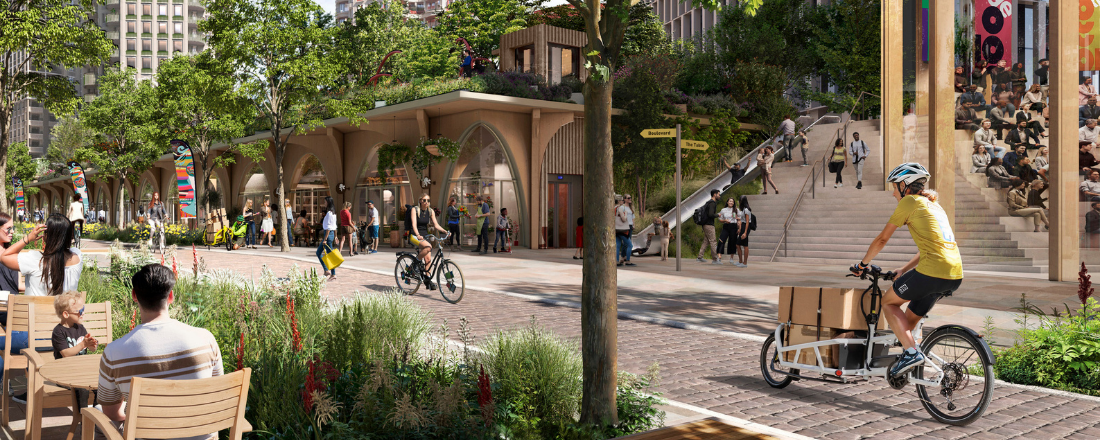
Toronto has kickstarted its port renewal project with a riverine park that lifts 174 hectares out of the floodplain and makes ready for homes, Christine Murray reports
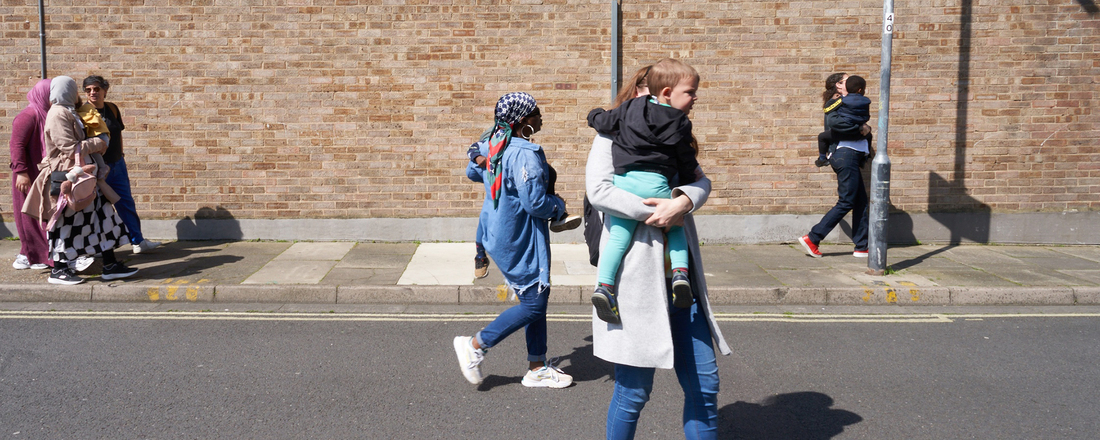
What is it like to live here – to be part of its history and its future? Anthropologist Dr Muriel Lamarque and writer Laura Mark speak to locals with exclusive photography by John Sturrock
The fruits of a £600m investment from the Mayor of London into culture at the Queen Elizabeth Olympic Park are ripening on the East Bank, as more institutions open, Kimberley France reports
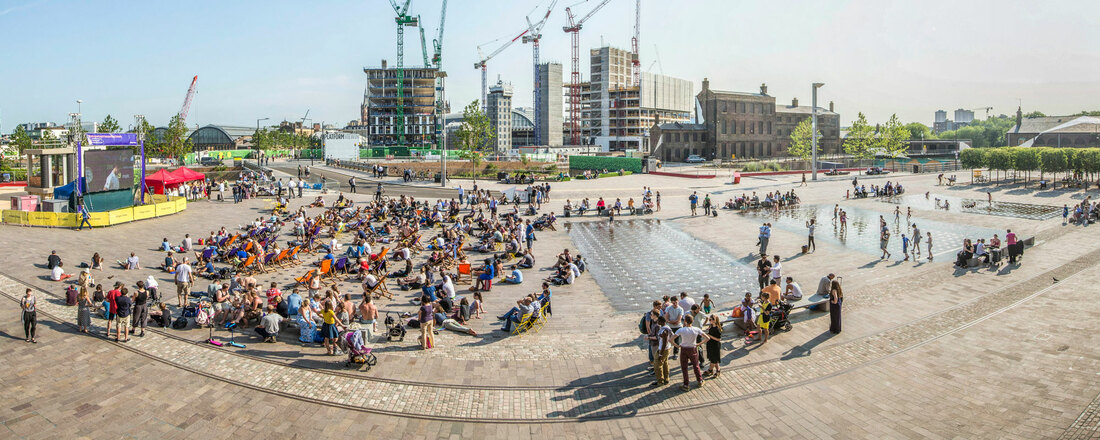
The plan is for homes, offices, retail and leisure facilities on this long-neglected part of the city. But can they come to fruition where previous schemes have failed? Angus Young reports with photography by Jacquie Baron
Investment in the arts, town and Harbour Arm has spearheaded the regeneration of this coastal town which was once a thriving ferry port. Caroline Bennett speaks to locals with exclusive photography by John Sturrock
As we await the final NPPF, the wave of strategic frameworks and local plans is an opportunity to put neighbourhood health into place. We should reframe land use policy, not as a constraint, but as a proactive tool to reduce inequalities and improve wellbeing, write Michael Chang and Sophie Hockin
Just being close to a train station isn’t the only, or even the best, way to measure whether somewhere is well-connected or a good place to live, writes Aggie Morris, Planning Officer, Walk Wheel Cycle Trust
Now that more schemes are purpose-built for rental – from transient co-living residents to longer-term family lets – how should design respond? Harriet Saddington reports
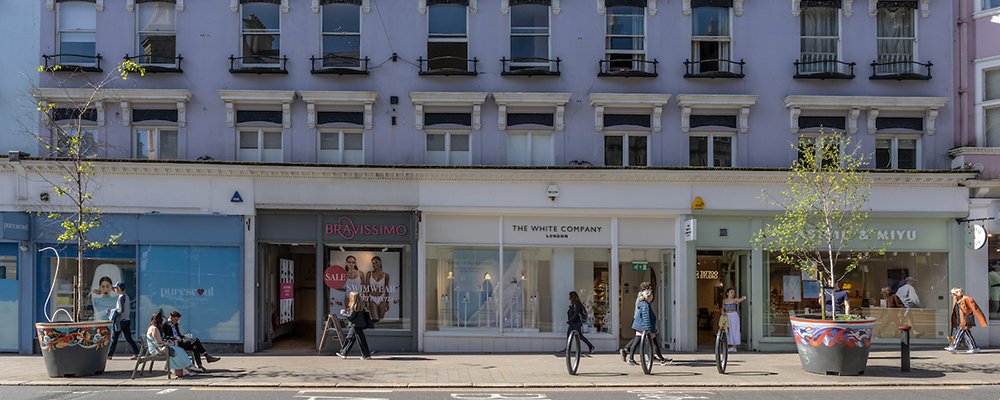
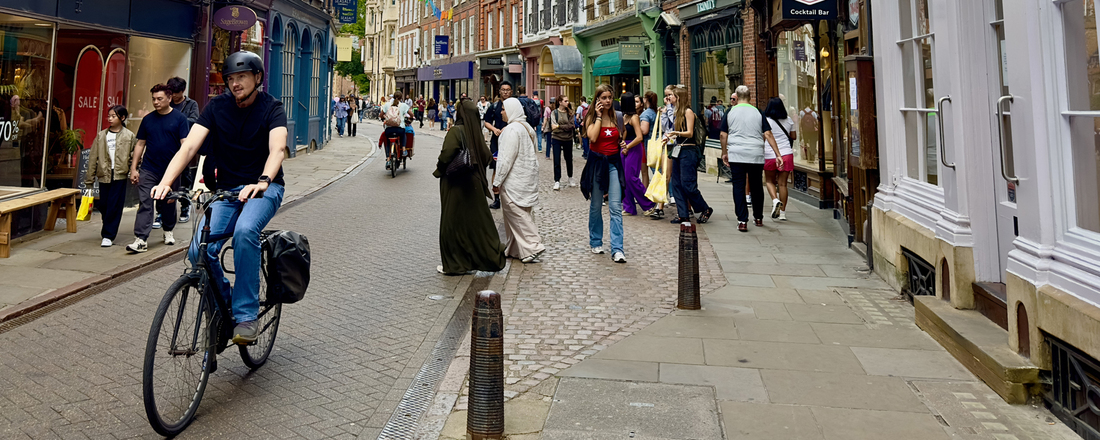
The high street is not just a place to shop, it’s the identity of a place, the branding of a neighbourhood, a reflection of our state of mind – and lately, a complete embarrassment, writes Christine Murray
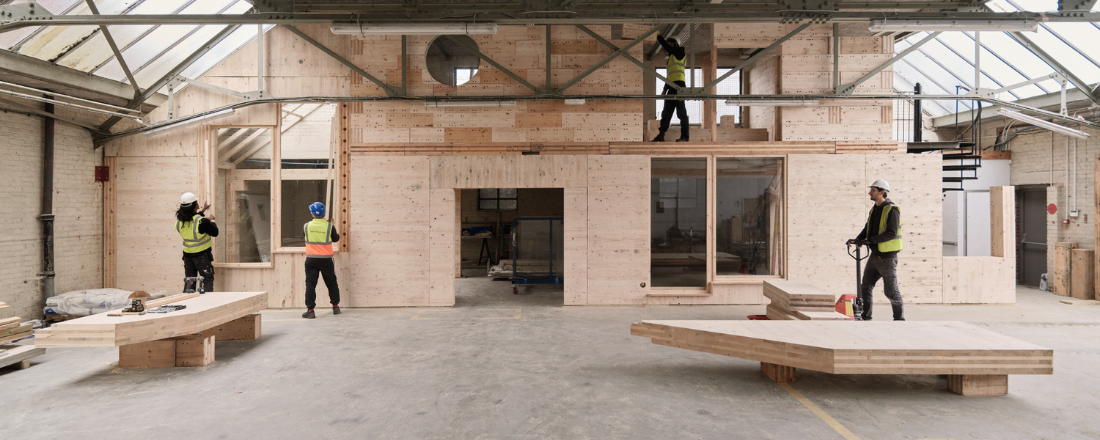
Tipping Point East in Newham aims to radically transform construction waste and supercharge reuse. Hani Salih meets the people dismantling the system and building a circular economy, one step at a time
Not only was Ruth Glass remarkably ahead of her time in identifying and naming gentrification as a new phenomenon over 60 years ago, her work has continuing relevance in the subsequent social and housing market changes in London and other cities, writes Chris Hamnett
Major study shows street closures reduce car use and get children walking, but the spike in those parking and striding from boundary areas suggest careful planning is needed. Christine Murray reports